30 September 2026
Senior Pet Care Plans and Resources at Prairieville Animal Hospital
Presented by @arthurixrd520
Entering the senior years with a beloved pet changes the rhythm of daily life. It shifts the focus from rapid exploration to careful monitoring, from spontaneous adventures to proactive care. At Prairieville Animal Hospital, we have spent years building a framework that supports both pets and their people through these transitional phases. The approach blends medical stewardship with practical guidance, drawing on real-world experience from our clinic floor and the quiet, ongoing work of preventive care that keeps seniors comfortable, engaged, and connected to the people they love.
Overview: what makes senior pet care different When a dog or cat crosses the six or seven year mark, the body starts to show the signs of aging in ways that aren’t always obvious. A senior pet may maintain a high level of energy one day and show stiffness or confusion the next. Some changes are subtle, others more pronounced, and many require a steady, collaborative approach between caregiver and clinician. Our senior pet care philosophy emphasizes early detection and targeted management. It relies on a strong foundation of preventive pet care, because prevention remains the most powerful tool we have for extending both the length and quality of a pet’s life.
The day-to-day reality of caring for an aging pet is filled with small decisions that accumulate into meaningful differences. It’s about balancing medical needs with the emotional currents in a household—the way an older dog looks at his favorite park, or how a cat’s morning routine adapts to quieter mornings. We aim to make those adaptations predictable and low-stress, not disruptive. That means streamlined appointments, clear communication, and a plan that can evolve as the pet’s condition changes.
A practical mindset helps. We talk about chronic conditions not as isolated diagnoses but as a network of interrelated factors. Kidney function, dental health, mobility, thyroid balance, and blood pressure can interact in ways that alter appetite, energy, and mood. For families juggling work, travel, school, and other responsibilities, understanding these connections is liberating. It allows a caregiver to anticipate challenges, catch symptoms early, and adjust medications or lifestyle choices without guesswork.
The Prairieville difference: a team-based approach Our clinic operates as a team rather than a series of isolated appointments. A senior pet care plan is not a single prescription or a one-time checkup. It is an ongoing program that involves the veterinarian, a veterinary technician, and, when needed, a nutritionist or behavior expert. The core idea is consistency. We want families to feel confident that the care their pet receives is coherent, and that every member of the care team is aligned with the same goals: comfort, mobility, appetite, energy, and mental clarity.
From the moment a client walks through our doors, we aim to build trust. We listen for the pet’s cues and the family’s concerns, then translate those into a practical schedule. This can include regular wellness visits, bloodwork tailored to age, dental examinations, and a movement assessment that helps us monitor mobility. We also emphasize the human side of care—the adjustments a family makes at home to maintain a pet’s routine and reduce stress for everyone involved.
Preventive pet care as the backbone Senior care hinges on preventive strategies that keep minor changes from becoming major problems. Routine testing, vaccinations updated for age, dental cleaning strategies, and weight management might sound routine, but they are the backbone of a plan that preserves quality of life. In practice, this means a structured calendar with predictable touchpoints. It means clear expectations about diagnostic steps when symptoms arise and a thoughtful discussion about when more aggressive interventions are appropriate versus when comfort-focused care is the wisest path.
We also recognize that aging is not a uniform trajectory. Each pet has a distinct history, a different tolerance for discomfort, and a unique personality that informs how we interpret signs of aging. Our clinicians tailor visits to the individual. That might mean shorter, more frequent check-ins for a dog whose arthritis makes movement painful, or longer, more contemplative appointments with a cat who retreats when a room feels crowded.
The practical side of senior wellness For many owners, the daily routines surrounding meals, medications, and mobility support can become a lot to manage. We aim to keep those routines straightforward and predictable. In your home, a few adjustments can yield big dividends. We offer guidance on environmental modifications that reduce strain on joints, such as non-slip flooring in critical areas, soft bedding, and accessible water bowls. We also provide education about recognizing subtle signs of distress that could accompany age-related changes, such as a slight shift in appetite, a preference for a quieter space, or increased vocalization at certain times of day.
Professional insight from the front lines has taught us that there is no one-size-fits-all answer in senior care. Some pets thrive with routine changes that add gentle activity into their day, while others do better with minimal disruption. Our role is to help families discover what works for their specific pet, then maintain that course with regular assessments and adjustments as needed.
What our senior pet care plan includes Our senior plan is a living document, updated as health status evolves. To give families a clear sense of what to expect, here is a concise overview of core components we routinely incorporate:
- Comprehensive annual senior wellness exam, with focus on mobility, vision and hearing, dental health, weight, and overall comfort
- Age-appropriate blood work and screening tests tailored to the pet’s risk factors and breed
- Dental assessment and cleaning plan, including recommendations for home dental care and professional interventions when needed
- Mobility evaluation with tailored recommendations for exercise, weight management, supplements, and pain control
- Nutritional guidance designed to meet changing energy needs and any chronic conditions, along with a plan for monitoring weight and body condition
This list reflects a practical balance between preventive care and responsive treatment. The goal is to provide a structured, predictable framework that families can rely on, while still leaving room for the kind of nuanced decision-making that aging requires.
Resources and services: a broader ecosystem Senior pet care at Prairieville Animal Hospital extends beyond the exam room. We connect families with a spectrum of services designed to support aging pets in real time. Our team is trained to navigate the tension between medical interventions and the pet’s comfort, and we aim to keep treatment plans transparent and manageable.
In addition to routine care, we offer resources that help families stay informed and engaged. If a family needs help with daily routines, we can point to training resources that improve confidence and safety at home. We also collaborate with local specialists when complex conditions arise, ensuring a smooth referral process and continuity of care.
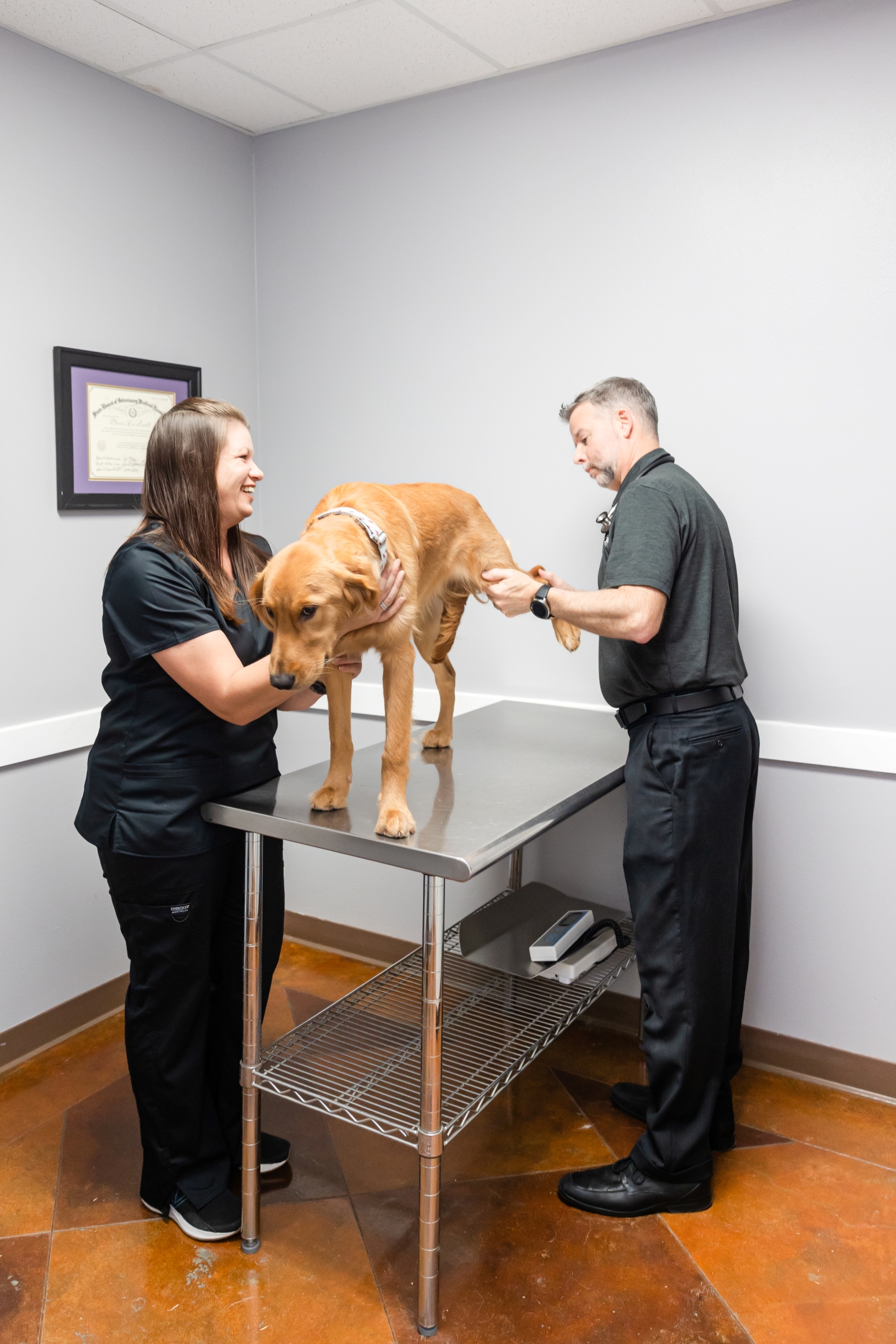
Our facility features a comfortable, low-stress environment designed to minimize anxiety for senior patients. Quiet rooms, gentle handling techniques, and a predictable workflow help reduce stress during visits. For families who travel or have busy schedules, we provide flexible appointment options and clear instructions for at-home care between visits.
A practical menu of services might include:
- Routine senior wellness packages that combine exams, blood work, and dental evaluations
- Pain management and mobility therapies, including non-pharmacologic approaches and medications when needed
- Nutritional counseling and prescription diets tailored to age-related needs
- Dental care programs, from preventive care to periodontal therapy when indicated
- Boarding or day-care options that are designed with seniors in mind, focusing on low-stress environments and individualized supervision
The senior care plan in action: case-based learning Stories from our clinic illustrate how a well-constructed plan translates into improved daily life for aging pets. One dog named Milo began showing stiffness in the hind legs and a gradual decline in enthusiasm for his evening walks. A targeted mobility plan, a change in his weight management strategy, and a scheduled dental evaluation together helped Milo regain a spark in his step. There was a noticeable difference in the way he greeted his family after meals, and his energy level remained steady through the afternoon. In Milo’s case, weekly weigh-ins and a monthly medication review created a rhythm that didn’t feel burdensome to his owner. The result was not a dramatic medical turn but a meaningful improvement in comfort and daily happiness.
Another example involves a cat named Willow who preferred to stay in a quiet room rather than participate in family activities. Our team recognized she was experiencing early dental discomfort and mild renal changes. We implemented a dental plan that addressed the pain, along with a nutritional adjustment and careful monitoring of kidney values. Over several months, Willow became more engaged in family life, seeking attention in the living room during the day, which was an important sign to her owner that her quality of life was intact.
Care planning conversations: what to expect When families first enroll in the senior care program, we begin with a candid but hopeful conversation. We discuss the pet’s current health status, daily routine, and long-term goals. We identify potential red flags to watch for at home and establish a communication channel that works for the pet’s human companions. The aim is to move away from crisis-driven visits toward proactive management. We want families to feel prepared, knowing what questions to ask and what results mean.
Our team also emphasizes transitional care planning. For some pets, the desire to retain independence means making small changes gradually, rather than implementing a large, sudden shift. For others, a more decisive approach is appropriate to preserve comfort and dignity. The conversations are grounded in data, yet they recognize the emotional labor involved for families. Health decisions in senior care are as much about confidence and hope as they are about outcomes.
Home care and daily routines: practical adjustments There is a practical side to senior care that has nothing to do with the clinic walls. Home life becomes an extension of the medical plan, and small adjustments can yield big improvements. Consider a few concrete changes that often move the needle:
- Consistent feeding times and a simple, balanced diet designed for aging pets
- Easy-come, easy-go hydration options, with multiple water bowls located in convenient spots
- Low-stress transportation to and from the clinic, with familiar carriers and calm handling
- Gentle, regular activity that preserves mobility without overtaxing joints
- A predictable enrichment routine to prevent boredom and anxiety
These adjustments are not feel-good add-ons. They are functional aspects of care that keep medical recommendations realistic and sustainable. Our team will tailor suggestions to each household, ensuring they fit with work schedules, family dynamics, and existing routines.
The boarding option: care beyond medical needs Prairieville Animal Hospital offers boarding designed with senior pets in mind. For families needing travel or extended time away, staying connected to home life fosters comfort and reduces stress. Our boarding services emphasize a calm environment, individualized attention, and daily monitoring tailored to the pet’s medical history. If a senior pet has special needs—medications, dietary requirements, or mobility considerations—we develop an on-site plan that mirrors the home routine as closely as possible. The goal is to minimize disruption while maintaining medical oversight.
The human element: supporting families through the journey Caring for a senior pet extends beyond medical care. It is a journey that involves the entire household, often requiring new skills and patience. Our team spends time coaching families on how to interpret signs of aging, how to administer medications without creating conflicts, and how to maintain an emotionally healthy relationship with a pet who may be facing discomfort or fear. We encourage open dialogue, inviting questions about what changes to expect and how best to respond. This ongoing mentorship is a quiet but essential element of senior pet care.
Two practical resources families frequently rely on In the spirit of accessibility, we provide practical resources that families can use without needing to schedule a visit. These tools are designed to be straightforward and directly applicable to daily life. They focus on keeping senior care consistent and manageable, even on busy weeks.
- A Senior Pet Care Reference Guide that covers common aging signs, when to seek veterinary input, and a simple at-home monitoring checklist
- A Mobility and Pain Management tip sheet with strategies to ease daily movement, select feeding and exercise plans, and guidance on non-drug comfort measures
These resources serve as a bridge between clinic visits, enabling families to stay engaged and prepared. They are not a replacement for professional care, but they do help maintain momentum between appointments.

Planning the future: long-term considerations A thoughtful senior care plan anticipates future needs without assuming a worst-case scenario. We encourage families to think through possible scenarios and discuss preferences now, while there is time to consider options. For example, families might consider:
- How to determine when a medical intervention should shift from aggressive treatment to comfort-focused care
- Whether to pursue hospice-style support for a very senior pet when quality of life becomes the central focus
- How to maintain companionship and mental stimulation even as energy declines
These conversations are difficult, but they provide clarity and peace of mind. They reduce confusion during stressful moments and help families stay aligned with the pet’s best interests.
A note on affordability and access We understand that senior care costs can be a concern for many households. Our practice strives to offer transparent pricing and flexible options. We frequently discuss cost-benefit considerations with families, helping them weigh the value of ongoing monitoring against the demands of daily life. For many clients, preventive care remains the most cost-effective strategy, because it reduces the likelihood of expensive emergency interventions and preserves a pet’s ability to thrive for longer periods.
We also guide families toward affordable vet services when appropriate, without compromising the standard of care. Our team helps locate community resources, financing options when needed, and a clear plan that aligns with the pet’s needs and the family’s budget.
Embracing the senior years with confidence The senior years bring a different kind of richness to a pet’s life. It is a time when consistent care, thoughtful adjustments, and a steady relationship with a trusted veterinary team can make all the difference. Prairieville Animal Hospital aims to be that constant companion, offering a comprehensive framework that respects the realities of aging while preserving the joy that animals bring into everyday life.

We are proud of the practical, lived experience behind our senior pet care program. It is built on long hours listening to families, observing how aging manifests in real pets, and translating that knowledge into actions that improve daily life. Our care plans are not theoretical; they are a map drawn from the actual moments when a pet leans into a family member for comfort, a moment when a dog perks up at the familiar sound of a walk, or a cat chooses the sunny spot by the window as a cue to nap peacefully.
If you are beginning to consider senior care for your pet, we invite you to reach out. A brief conversation can uncover the questions that matter most, and it can set in motion a plan that brings steady reassurance to both you and your animal companion. The path through aging is not a solitary one. With Prairieville Animal Hospital at your side, you have a partner who animal hospital near me understands the realities on the ground and the small, decisive steps that keep a senior pet vibrant for as long as possible.